
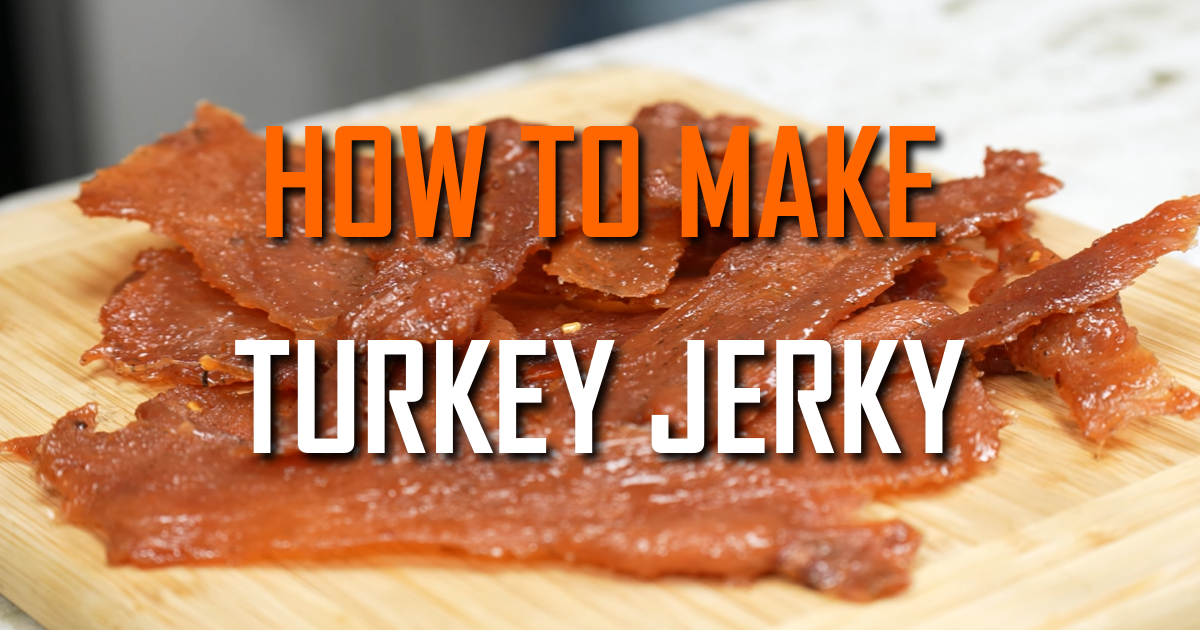
How to Make Turkey Jerky from Wild Game
If you're looking for a new way to use wild turkey breast, jerky might just become your go‑to. Turkey jerky is lean, packed with protein, and—when done correctly—surprisingly tender and full of flavor. In this guide, we're breaking down a proven method for making bold, tender turkey jerky that's perfect for wild game hunters and home processors alike.
This process comes straight from hands‑on experience and focuses on texture, food safety, and maximizing flavor.
Start with Properly Prepped Turkey Breast
Turkey breast is very lean and has a high water content, which means preparation matters.
Partially Freeze for Easier Slicing
Before slicing, place your turkey breast in the freezer for 2–3 hours. You’re not trying to freeze it solid, firm it up enough to get clean, even slices. This prevents the meat from “tailing off” or tearing during slicing.
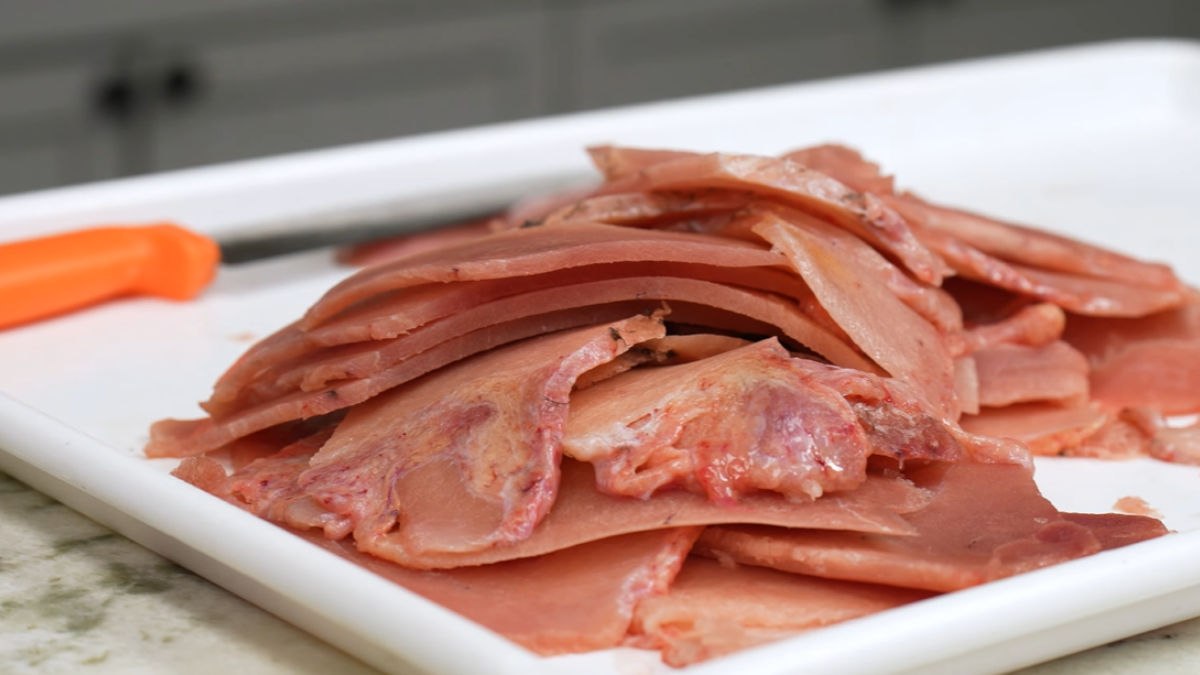
Slice Thicker Than Beef Jerky
Turkey dehydrates aggressively, so thicker slices are key.
- Beef jerky: ~⅜ inch thick
- Turkey jerky: closer to ½ inch thick (or even thicker if possible)
Thinner slices will dry down to almost nothing. Going thicker provides a better bite, especially once moisture is removed.
Pro tip: Rotate the meat every couple of passes while slicing to keep edges even so everything dries at the same rate.
Seasoning & Curing for Tender Jerky
Once sliced, it’s time to build flavor and tenderness.
Ingredients
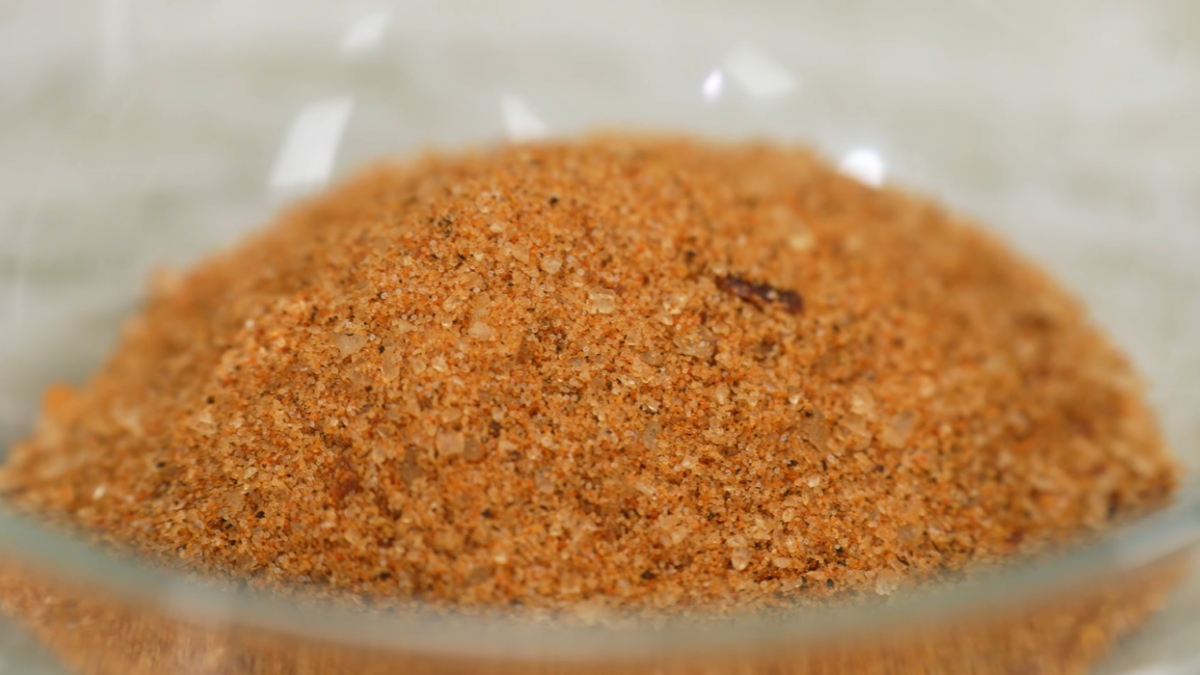
- Walton’s Bold Jerky Cure
- Brown sugar: 18% of the meat weight
- Water: 20% of the meat weight
Mix everything thoroughly so the cure, sugar, and water are fully dissolved.
Tumble or Marinate
- With a tumbler: Tumble for about 45 minutes
- Without a tumbler:
- Vacuum seal the turkey with the seasoning
- Refrigerate for at least 24-48 hours; longer is better in this case.
- Massage the bag periodically to help the solution penetrate the meat fibers
This step is critical—the tumbling or massaging opens the muscle fibers, allowing better seasoning absorption and resulting in a more tender finished product.
Laying Out the Jerky for Smoking or Drying
After seasoning, lay the turkey strips out evenly on your smoker racks (or oven/dehydrator trays).
- Leave space between each piece for proper airflow
- Avoid bunching—uneven airflow leads to uneven drying
- If possible, leave a 4‑inch “chimney” down the center of the racks from front to back to help air move upward through the smoker
Drying the exterior first allows moisture from inside the muscle to move outward, where it can then be removed.
Smoker Temperature Schedule (Best Results)
This gradual temperature increase helps safely dry the jerky while keeping it tender.
- 120°F for 90 minutes
- Fans on full
- No smoke
- No humidity
- Purpose: surface drying
- 130°F for 1 hour
- 145°F for 1 hour
- 175°F until internal temp reaches 165°F
Important: Turkey is poultry, and this is wild game. You must reach 165°F internal temperature for food safety.
If your smoker doesn’t control airflow or humidity:
- Run the top and bottom dampers wide open for the first 60–90 minutes to maximize airflow and help dry the surface of the turkey.
- As you step the temperature up, slowly begin closing the dampers to reduce airflow.
- During the final cooking stage, introducing a small amount of humidity (such as a water pan in the smoker) can help prevent the jerky from overdrying while bringing the turkey up to a safe internal temperature.
Oven + Dehydrator Method:
-
- Lay turkey strips evenly on racks.
- If your dehydrator does not reach at least 190°F, start the process in the oven.
- Set the oven to ~200°F and bring the turkey to an internal temperature of 165°F as quickly as possible.
- Once 165°F is reached, transfer the turkey to a dehydrator set around 130°F.
- Dry until the desired level of doneness is achieved.
Note: Jerky made using this method is not shelf stable. Vacuum seal the finished product and store it in the refrigerator.
The Finished Product: Tender, Bold Turkey Jerky
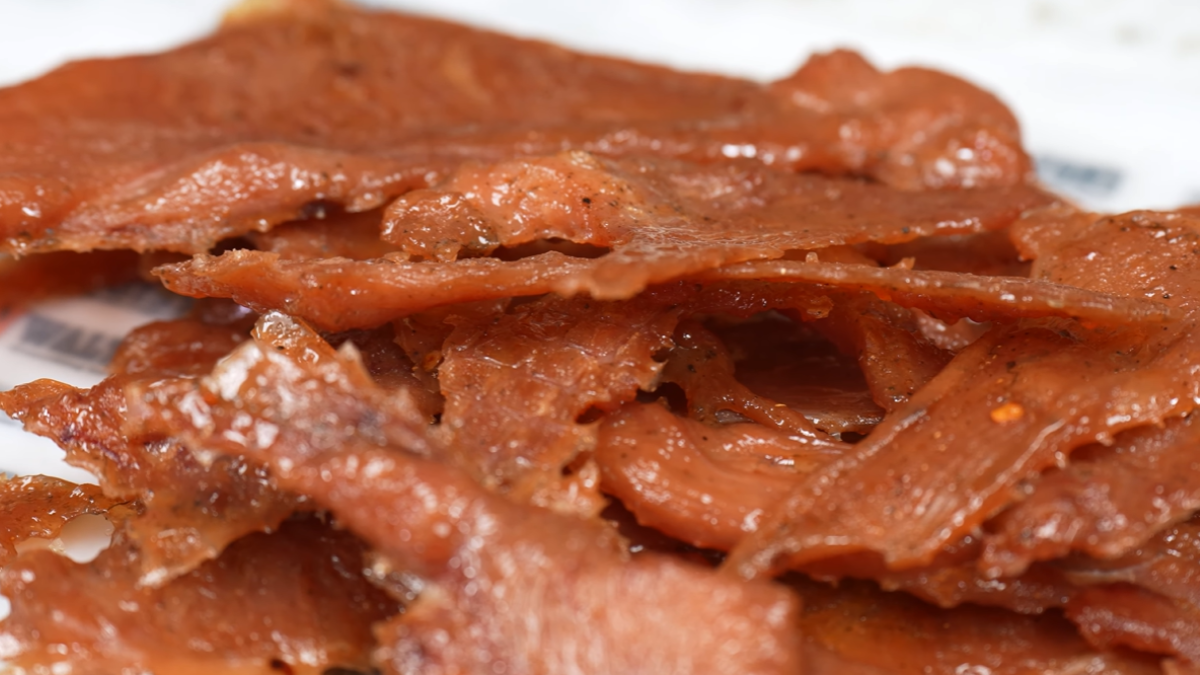
When done correctly, turkey jerky doesn’t turn tough or sharp on the teeth. The added sugar and controlled drying process help it stay:
- Smooth
- Tender
- Easy to chew
- Packed with bold flavor
It’s an excellent use of wild turkey breast and a great reason to save more than just the legs next season.
Final Thoughts
If you’re a wild game hunter looking to expand beyond roasts and ground meat, turkey jerky is absolutely worth trying. With the right slice thickness, proper curing, and controlled drying, you’ll end up with a jerky that’s both safe and delicious.
Highly recommended for anyone who enjoys processing their own wild game.
Recent Posts
-

Nashville Hot Honey Snack Sticks and Jerky: Sweet, Spicy, and Tangy
Nashville hot chicken built its reputation on a flavor people can't stop talking about: sticky hone …25th Sep 2026 -
How to Make Restructured Jerky with the All Around Jerky Maker
If you're looking to create that classic, gas-station-style jerky at home, but with better control …17th Jul 2026 -

How To Use a Meat Grinder (Step-by-Step Guide + Pro Tips)
Grinding your own meat at home gives you complete control over freshness, fat content, and flavor. F …16th Jun 2026