
Why Apple Wood Doesn't Make Your Bacon Taste Like Apples Blog
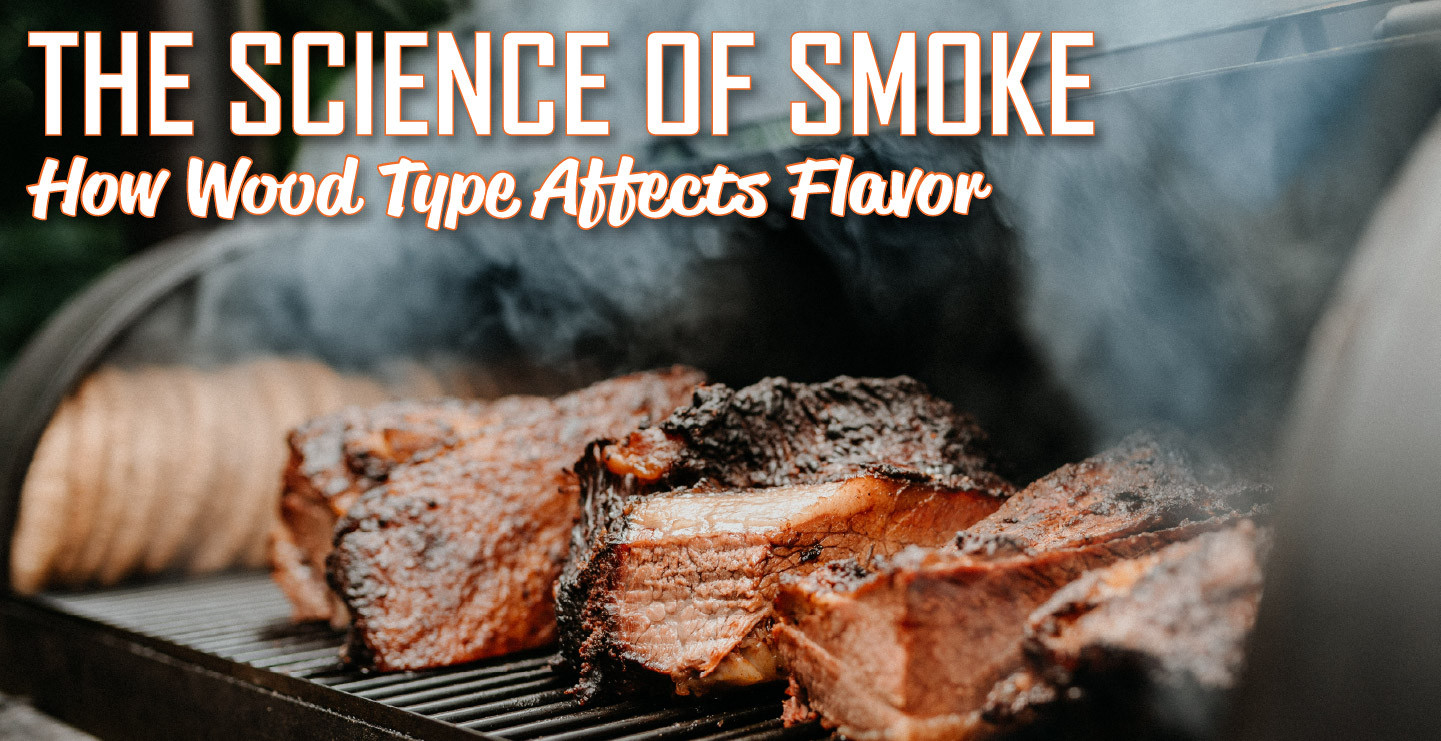
Think of smoke as an invisible spice rack that also carries heat, chemistry, and can either perfect or ruin your meat! The wood you choose decides what notes land on the tongue, how fast they arrive, and how intense that flavor is. Smoking the wrong piece of meat on the wrong wood for the wrong amount of time can cause your masterpiece of BBQ to become inedible!
Think of smoke as an invisible spice rack that also carries heat and chemistry, and can either perfect or ruin your meat! The wood you choose decides what notes land on the tongue, how fast they arrive, and how intense that flavor is. Smoking the wrong piece of meat on the wrong wood for the wrong amount of time can cause your masterpiece of BBQ to become inedible!
Think of smoke as an invisible spice rack that also carries heat and chemistry, and can either perfect or ruin your meat! The wood you choose decides what notes land on the tongue, how fast they arrive, and how intense that flavor is. Smoking the wrong piece of meat on the wrong wood for the wrong amount of time can cause your masterpiece of BBQ to become inedible!
Think of smoke as an invisible spice rack that also carries heat and chemistry, and can either perfect or ruin your meat! The wood you choose decides what notes land on the tongue, how fast they arrive, and how intense that flavor is. Smoking the wrong piece of meat on the wrong wood for the wrong amount of time can cause your masterpiece of BBQ to become inedible!
How wood changes flavor
When wood heats in low oxygen and smolders, it does not burn cleanly. It thermally decomposes, a process called pyrolysis. Wood is mostly three big building blocks, and each one breaks apart into flavor-active compounds:
Cellulose - Responsible for creating sweet, caramel and toasted aromas, contributing to some of the flavor and helps with color.
Hemicellulose - Adds a tang and brightness to the flavor. Lowers surface pH, helping with preservation and creating the "bark".
Lignin - Breaks down into phenolic compounds that really fuel the smoke flavor, providing depth and persistence to the smoke flavor.
Different trees produce different chemical personalities, so the smoke tastes different.
Mild and friendly woods
These are hard to mess up and great for long cooks.
Apple - Light, slightly sweet, almost fruity. Fantastic on pork, poultry, and fish. Adds a gentle golden color.
Cherry - Mild and sweet with a deeper, almost rosy aroma. Darkens meat nicely. Excellent for ham, bacon, and poultry.
Maple - Soft sweetness, subtle and round. Often paired with pork, especially cured products.
Medium woods
Balanced smoke that can stand up to richer meats.
Hickory - Classic barbecue smoke. Savory, bacon-like, a little sharp if overused. Ideal for pork shoulders, ribs, and beef.
Oak - Clean, earthy, and neutral. Burns steadily and predictably. A great “base wood” for beef, brisket, and sausage.
Bold woods
These bring thunder. Use with restraint.
Mesquite - Intense, earthy, almost spicy. Burns hot and fast. Best for quick cooks like steaks or mixed lightly with oak.
Pecan - Rich and nutty, softer than hickory but still assertive. Great for pork and poultry.
Woods to avoid
Softwoods like pine, fir, or cedar contain resins that taste bitter and can be unsafe. If it smells like Christmas, don’t smoke meat with it
Matching wood to food
A simple rule that rarely fails:
Delicate foods like fish, poultry, and cheese call for a mild wood:
Apple, Cherry, Maple, and sometimes Pecan
Fatty or bold meat such as brisket, pork shoulder, game meat require a bolder wood:
Mesquitte, Pecan, and Hickory
Sausage and cured meats:
Oak, Hickory, and Fruitwood Blends
Pro tip from the pit
Most pros don’t swear loyalty to one wood. They blend. Oak for heat and consistency, fruitwood for aroma, and just a whisper of hickory or pecan for depth. Smoke is seasoning, not a blanket.
How wood changes the process
Flavor is only half the story. Wood choice also affects how you cook.
Burn rate and heat
Oak and hickory burn slow and steady, perfect for long smokes.
Fruitwoods burn faster and cooler, often used as chunks or mixed with a base wood.
Mesquite burns very hot and fast, easy to overshoot temps.
Smoke density
Heavy woods produce thicker smoke, which can overpower meat if airflow is poor.
Lighter woods create cleaner, thinner smoke that’s more forgiving.
Color and bark
Fruitwoods deepen color and sheen.
Strong woods boost bark formation but can push bitterness if overdone.
Recent Posts
-
Nashville Hot Honey Snack Sticks and Jerky: Sweet, Spicy, and Tangy
Nashville hot chicken built its reputation on a flavor people can't stop talking about: sticky hone …25th Sep 2026 -
How to Make Restructured Jerky with the All Around Jerky Maker
If you're looking to create that classic, gas-station-style jerky at home, but with better control …17th Jul 2026 -
How To Use a Meat Grinder (Step-by-Step Guide + Pro Tips)
Grinding your own meat at home gives you complete control over freshness, fat content, and flavor. F …16th Jun 2026